Punta Cana in January
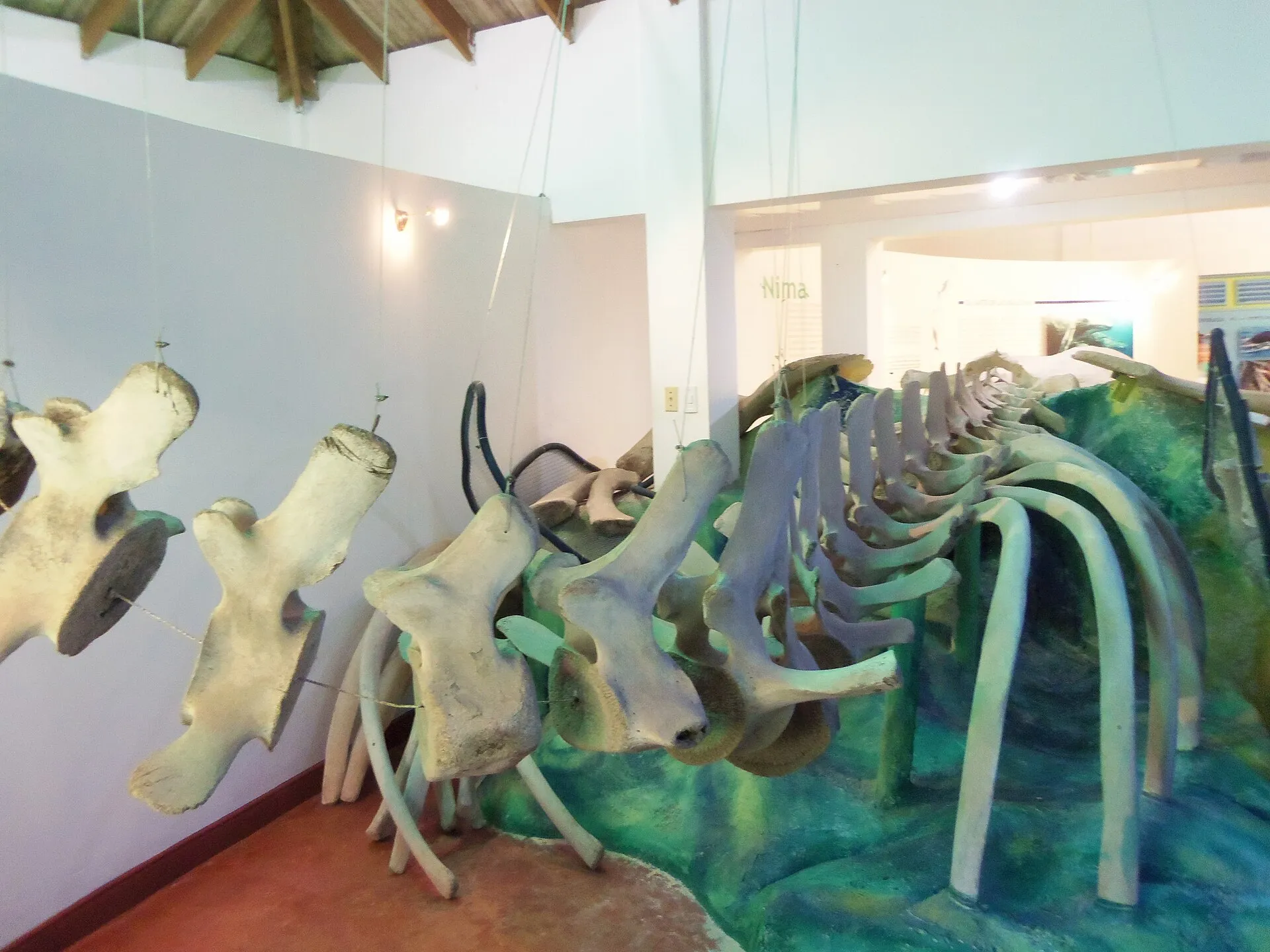
Photo: Farragutful, CC BY-SA 3.0, via Wikimedia Commons.

January in Punta Cana averages a high of 26.2 °C (79 °F) and a low of 23.5 °C (74 °F), the coolest of any month, with 47 mm of rain over about 13.7 days and a sea at 27.2 °C (81 °F). No tropical storm or hurricane has passed within 150 km in January since 1950. The figures come from 30 years of ERA5 data (1995-2024).
| Average high | 26.2 °C (79 °F), rank 12 of 12 (1 = hottest) |
|---|---|
| Average low | 23.5 °C (74 °F) |
| Rainfall | 47 mm (1.9 in), rank 10 of 12 (1 = wettest) |
| Days with rain (1 mm+) | 13.7 |
| Relative humidity | 76% |
| Daily maximum wind (average) | 20.3 km/h |
| Sea surface temperature | 27.2 °C (81 °F), rank 9 of 12 (1 = warmest) |
| Average wave height offshore | 1.7 m |
Source: Open-Meteo (Copernicus ERA5), licence CC BY 4.0 - https://open-meteo.com/en/license. Reanalysis grid values (about 25 km cells that include sea). Afternoon highs on the beach and inland are typically 1-2 C warmer than tmax shown; rainfall falls mostly as short tropical showers.
What is the weather like in Punta Cana in January?
January sits in the middle of the drier season, but it is not the driest month. Rain (47 mm) ranks third lowest of the year behind February (41 mm) and March (42 mm). The number of days with at least 1 mm of rain (13.7) is slightly higher than in February (12.1) or March (11.4), so a short passing shower is still likely during a week-long stay.
Temperature is the main difference from other months. Highs of 26.2 °C are the lowest of the year, and the gap with the hottest month (September, 29.2 °C) is 3 °C. Humidity averages 76%, lower than the 80-81% of the summer and autumn months, so the air feels less heavy. Evenings by the sea can feel cool when the wind blows, so a light layer is useful (see the packing list).
| Measure | January | Compared with the year |
|---|---|---|
| High / low | 26.2 / 23.5 °C | Coolest highs of the year |
| Rain | 47 mm | Third lowest |
| Days with 1 mm or more | 13.7 | Fourth lowest |
| Sea temperature | 27.2 °C | Cooler than May-November |
| Offshore waves | 1.7 m | Third highest after December and February |
How warm is the sea in January?
The sea surface averages 27.2 °C (81 °F), based on 2022-2025 marine data. That is 0.6 °C warmer than in February, the coolest month at 26.6 °C, and about 2.7 °C cooler than the October peak of 29.9 °C. Most swimmers find it comfortable, but it is a refreshing swim rather than a bathwater one. Month-by-month values are in the sea temperature guide.
Is the sea rough in January?
January is one of the more energetic months for wind and waves. Offshore waves average about 1.7 m, and the maximum wind figure in the data (about 20.3 km/h) is among the highest of the year, close to February and December. For comparison, May has the calmest sea (1.19 m).
Two practical consequences follow:
- Reef-protected beaches in Bávaro, Cabeza de Toro and parts of Punta Cana remain easy for swimming on most days, but expect more breeze and some chop.
- Open-sea beaches such as Macao and Uvero Alto can have strong waves and currents. See wind and waves by month and the calm, swimmable beaches page before choosing a zone for swimming.
Is there hurricane risk in January?
No. The Atlantic hurricane season officially runs from 1 June to 30 November, and the HURDAT2 record since 1950 shows zero tropical systems within 150 km of Punta Cana in January. The nearest off-season entry in the data is a single December system (Olga, 2007). For the risk in other months, see the hurricane season guide.
Is there sargassum in January?
Usually little. The University of South Florida Sargassum Watch System describes the tropical Atlantic belt as peaking around June or July with the lowest amounts in winter. The same source notes that some winters have been exceptions, for example December 2022 to February 2023, so check the current monthly outlook shortly before travelling. Details by coast are in the sargassum guide.
What holidays and events affect January trips?
January starts with the New Year period, when resorts are usually busy. The Dominican public-holiday list for 2026 includes:
- 1 January: New Year’s Day.
- 6 January: Epiphany (Three Kings Day). In 2026 the day off was moved to Monday 5 January.
- 21 January: Our Lady of Altagracia, a religious holiday that is not moved.
- 26 January: birth of Juan Pablo Duarte, not moved.
Days off move from year to year, so check the Ministry of Labor calendar for your dates. Local holidays mostly affect Dominican domestic travel, such as long weekends, rather than international arrivals. Winter is the high-demand period for the resort coast, so book early if your dates are fixed.
Is January the whale-watching month?
It is the start of it. Humpback whale watching in Samaná Bay is run under permits from the Dominican Ministry of Environment, and the 2026 season was formally opened on 16 January. Season dates vary slightly each year and the closing date is usually in the final days of March, so check the current announcement. Samaná is not on the Punta Cana coast: it is a separate peninsula, and tours are full-day excursions. Details are in the Samaná whale watching guide, and the peak weeks are covered on the February and March pages.
January compared with the neighbouring months
December has the highest offshore waves of the year (1.97 m) and 63 mm of rain, so it is slightly wetter and rougher. January keeps the same breezy pattern but with less rain (47 mm). February is drier still (41 mm), with a slightly cooler sea (26.6 °C). If your priority is dry weather and mild temperatures, the three months are close; if you want the calmest sea or warmest water, look at May to October instead.
What to pack for January
- Light clothing for 26-27 °C days and a thin layer or windbreaker for breezy evenings.
- A compact rain jacket or umbrella for short showers.
- High-factor sun protection: the sun is strong year-round at this latitude (see sun protection).
- Water shoes if you plan to swim from rocky or open beaches.
Frequently asked questions
Is January a good month to visit Punta Cana?
Yes if you want dry, mild weather. January has highs of 26.2 °C (79 °F), 47 mm of rain on average and zero recorded tropical systems within 150 km since 1950. The trade-offs are a slightly cooler sea (27.2 °C) and more wind and wave action than in summer.
Is it hot enough to swim in Punta Cana in January?
For most people, yes. The sea surface averages 27.2 °C (81 °F) in January, about 0.6 °C warmer than in February. Offshore waves average 1.7 m, but the reef-protected resort beaches are much calmer than that figure suggests. Open beaches such as Macao and Uvero Alto stay rougher.
Does it rain in Punta Cana in January?
A little. The 1995-2024 average is 47 mm over about 13.7 days with at least 1 mm of rain. That is the third lowest monthly total of the year after February and March. Rain mostly comes as short showers, so a rainy day rarely means a lost day.
Are there whales in Punta Cana in January?
Humpback whales visit Samaná Bay in winter, not the Punta Cana coast itself. Authorised whale-watching tours there start around mid-January. Samaná is a separate region on the northeast side of the island, so plan a full-day excursion rather than a short boat trip.
Sources
- Open-Meteo Historical Weather API (Copernicus ERA5)
- Open-Meteo Marine Weather API
- NOAA National Hurricane Center, HURDAT2 best-track data
- DR1, 2026 Dominican public holidays and days off (Ministry of Labor list)
- Rio Times, Samaná whale watching season (Ministry of Environment opening)
- University of South Florida, Sargassum Watch System